Performance UGC Platforms for Regulated Brands: A Buyer's Guide

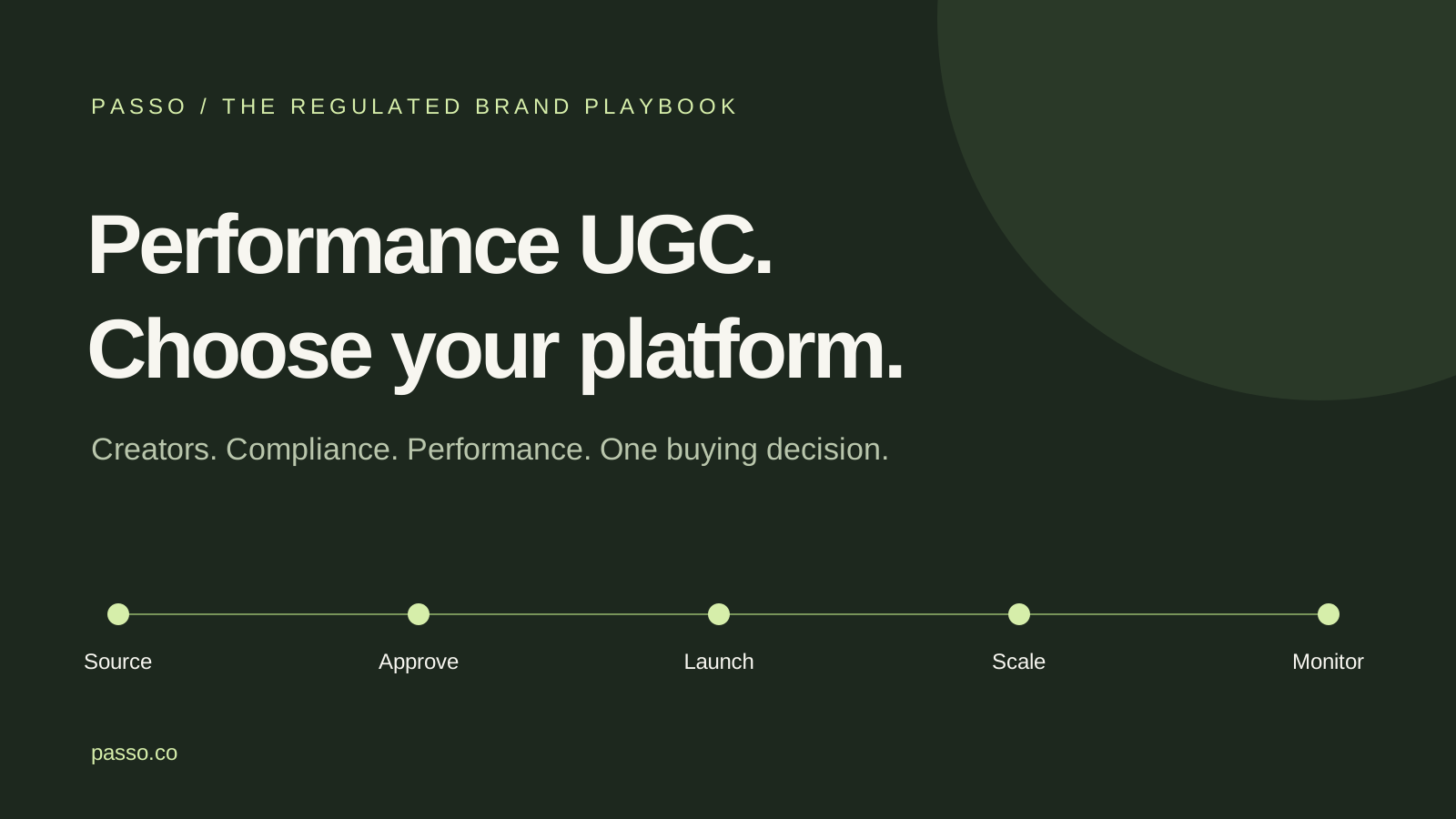
Quick answer: Choose a performance UGC platform by how it sources creators, pays them, gets content approved, and connects to your paid social workflow. For regulated brands, also evaluate creator background research, dedicated compliance reviewers, and comment records after launch. Passo combines those workflows with creators paid a percentage of ad spend, while brands decide which content to scale.
This guide is written by Passo. Competitor information comes from the official pages linked below, reviewed October 8, 2026. Use it to build a shortlist and a useful demo brief, rather than treating a missing feature on a public website as proof that a vendor cannot support it.
What does performance UGC actually mean?
The phrase can describe two different things: content made to perform in paid advertising, or a payment arrangement that gives creators a share of the results. A platform may offer the first without the second.
Ask what triggers a creator payment. Is it an accepted video, an attributed sale, an order, or ad spend? Then separate that payment from the platform fee and the media budget. A percentage of ad spend paid to a creator is not the same as a percentage charged by the platform.
In Passo's performance UGC model, human-vetted creators earn a percentage of ad spend. Brands only pay for content that performs and choose which creators to scale. That describes creator compensation; confirm the complete commercial terms for your program before launch.
Which creator platforms should you compare?
These are different products with overlapping use cases. Start with the work you need the platform to do.
Trybe: performance creator programs
Trybe supports creator submissions, Meta partnership ads, analytics, and automated payouts, with multiple compensation models. If you are evaluating it, bring a concrete payout scenario and an approval workflow. Compare Passo and Trybe.
Billo: creator content and creative decisions
Billo's CreativeOps combines scripts, creator recommendations, analytics, and variations, using ad data to inform decisions. Ask how those recommendations change the creators you hire and the next briefs you send. Compare Passo and Billo.
Vidovo: UGC marketplace and managed support
Vidovo offers marketplace access and managed services. Decide how much of sourcing, briefing, content review, and delivery you want your team to operate. Then price the complete workflow. Compare Passo and Vidovo.
SideShift: creator program operations
SideShift covers creator discovery, campaign management, content reviews, analytics, and payouts. Its financial services offering makes it relevant to regulated-brand evaluations. Ask to see the responsibilities of each reviewer. Compare Passo and SideShift.
Agentio: creator advertising across YouTube and Meta
Agentio uses first-party creator data and automates matching, briefing, measurement, and optimization. Include it when your evaluation extends from UGC into YouTube creator media. Compare Passo and Agentio.
Passo: performance creators for regulated brands
Passo brings UGC, YouTube partnerships, and Instagram Stories together with creator background research, compliance-specific users, content review, and comment tracking. Brands approve every creator, rate, and deal. Our team can guide the program, brands can use self-serve tools, and we can build bespoke workflows.
Why are creator programs harder to scale at regulated brands?
Each new creator adds decisions. Is this someone the brand wants to be associated with? Has the right person reviewed the claims and disclosures? Is a complaint appearing in the comments? Can the growth team find the information without chasing several people?
At a small scale, a spreadsheet and a few messages might hold the process together. With more creators, the same checks repeat across more people, assets, and deals. A useful platform puts those decisions inside the operating workflow so the team can increase volume while retaining control.
Passo's brand safety workflow separates research about the creator from review of the content. Automated web research surfaces controversies; compliance users can sign off on creators; content checks assess the brief, claims, and disclosures. Comment tracking then preserves history and helps teams spot complaints. Human review remains part of the decision.
How should creator matching work?
For UGC, ask the vendor to show how your actual ad results change the shortlist. A useful recommendation should connect a creator persona to something worth testing.
Passo reviews Meta ad data and the brand and competitor landscape, identifies promising personas, and finds similar creators. Your brand selects the human-vetted creators and briefs them directly. Micro-niches can include GLP-1 creators, med spa nurses, extreme athletes, silver foxes, and high-wealth audiences.
YouTube sourcing calls for a different approach. Passo looks for influence inside specific communities, using engagement, comment volume, repeat direct-response deals, and creator renewal rates. RuneScape tells you more about a community than the label "gaming." These are sourcing signals, not a promise of results.
What should you ask about measurement?
For UGC, ask how ad performance connects to creator-level reporting and payouts. Have the vendor walk through an ad that is paused, another that gets more budget, and a creator with multiple live assets. Confirm the payout calculation and who can change it.
For YouTube, ask what happens when a viewer watches on TV and later converts without clicking. Passo partners with smart TV data providers to connect viewing exposure to first-party conversions, including conversions from existing customers. View-through measurement adds evidence about the path to conversion. Exposure matching alone does not establish incremental lift.
Bring this five-step scenario to every demo
- Source: Show how our Meta results or YouTube sourcing signals change the shortlist.
- Approve: Give a compliance reviewer a creator to assess, including background findings and the proposed deal.
- Launch: Show briefing, content review, partnership ad permissions, and the handoff to launch.
- Scale: Increase one creator's ad budget, pause another, and explain the resulting payout calculations.
- Monitor: Find a complaint after publication and retrieve its comment history.
Use the same scenario with every vendor. You will learn more from watching your team’s actual process than from counting features on a checklist.
Where should you start?
Choose the bottleneck you need to solve first: finding creators, making more ads, getting approvals, operating the program, or measuring it. Then check whether the platform covers the next bottleneck as well.
Passo was built by Ty, who built a $10M+ annual creator program at Rocket Money, and Dom, who led AI products at Adobe. If you want to see how that experience translates into your workflow, explore the platform or compare the options side by side.